Blog
Why it feels like we’re always forgetting something (and how to organize your life without anxiety)
We live with a constant feeling that we’re forgetting something. In this article, we explore why that happens, what science says about mental load, and how to organize your life without living in a state of anxiety.
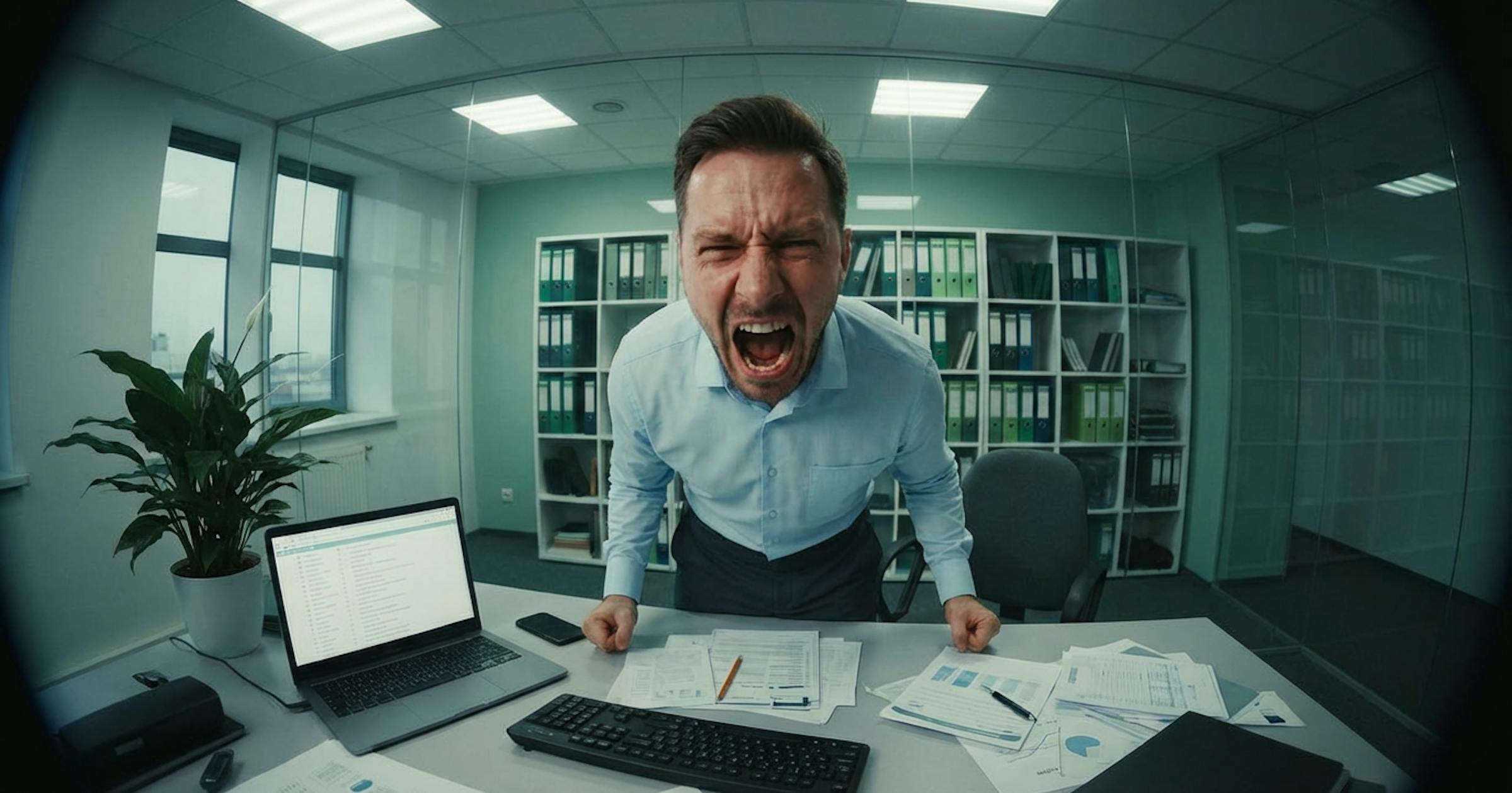
The invisible weight of mental load
There’s a modern feeling almost everyone knows. It’s not exactly anxiety. It’s not quite stress. It’s that constant discomfort of thinking: “There was something I needed to do… but now I can’t remember what.”
The question isn’t whether this happens to you. The question is: how many times a day does it happen?
Ideas that pop up while you’re walking. Tasks that come to mind while driving. Messages you plan to reply to later. Important things you decide not to forget… and forget anyway.
And no, it’s not because you’re disorganized. It’s because we’re using our brains for something they weren’t designed to do.
Memory isn’t a to-do list
For years, we were taught that being a functional adult meant “remembering everything”. But science says otherwise.
Working memory, the one we use to hold short-term information, is limited. Neuroscience research shows we can keep between four and seven items active at once. Everything else competes for attention.
The result? Mental noise, fatigue, and a constant sense of being one step behind. It’s no coincidence that by the end of the day you feel tired even if you didn’t do “that much”. A lot of energy goes into remembering that you were supposed to remember something.
The problem isn’t organization. It’s mental load.
Mental load isn’t always obvious. It’s not an alarm. It’s a constant hum.
Thinking “I need to do this tomorrow”. Remembering to message someone. Having loose ends floating around without a place or a time.
The more we rely on memory for everything, the more fragile the system becomes. That’s why organizing life doesn’t start with endless lists. It starts by taking things out of your head.
Real tip #1: what doesn’t have a place comes back
If an idea isn’t written down, scheduled, or delegated, it comes back. Sometimes as distraction. Sometimes as anxiety. Sometimes right before sleep.
It doesn’t matter if you use an app, a notebook, or voice notes. What matters is not using your memory as a system. When you offload what you’re thinking, your mind leaves alert mode.
So where does an assistant fit into all of this?
A good assistant isn’t one that tells you what to do all the time. It’s one that handles what you don’t need to keep remembering.
Zapia works as a space where you can drop everything that crosses your mind, without structure or perfect phrasing. You talk or write the way you think. Zapia takes care of the rest.
Reminders, ideas, tasks, things for today or a month from now. Everything has a place. And it shows up when it actually matters. Not early. Not late.
Real tip #2: not everything is urgent
One of the biggest mistakes of modern life is treating everything as urgent. That’s exhausting.
Learning to separate what’s important from what’s immediate changes how you experience your day. Delegating reminders and automating alerts doesn’t make you less responsible. It makes you more intentional.
Less mental effort, more room to live
When you stop using your mind like a cluttered drawer, simple but powerful things happen: - You focus better - You make better decisions - You sleep with less mental noise
Not because you remember more. But because you no longer need to.
Organizing your life isn’t about filling it with rigid systems. It’s about creating space for what actually matters. And if a tool helps you live with less mental load and more clarity, then it’s not just an app. It’s a better way to show up in everyday life.